
Plant Peace
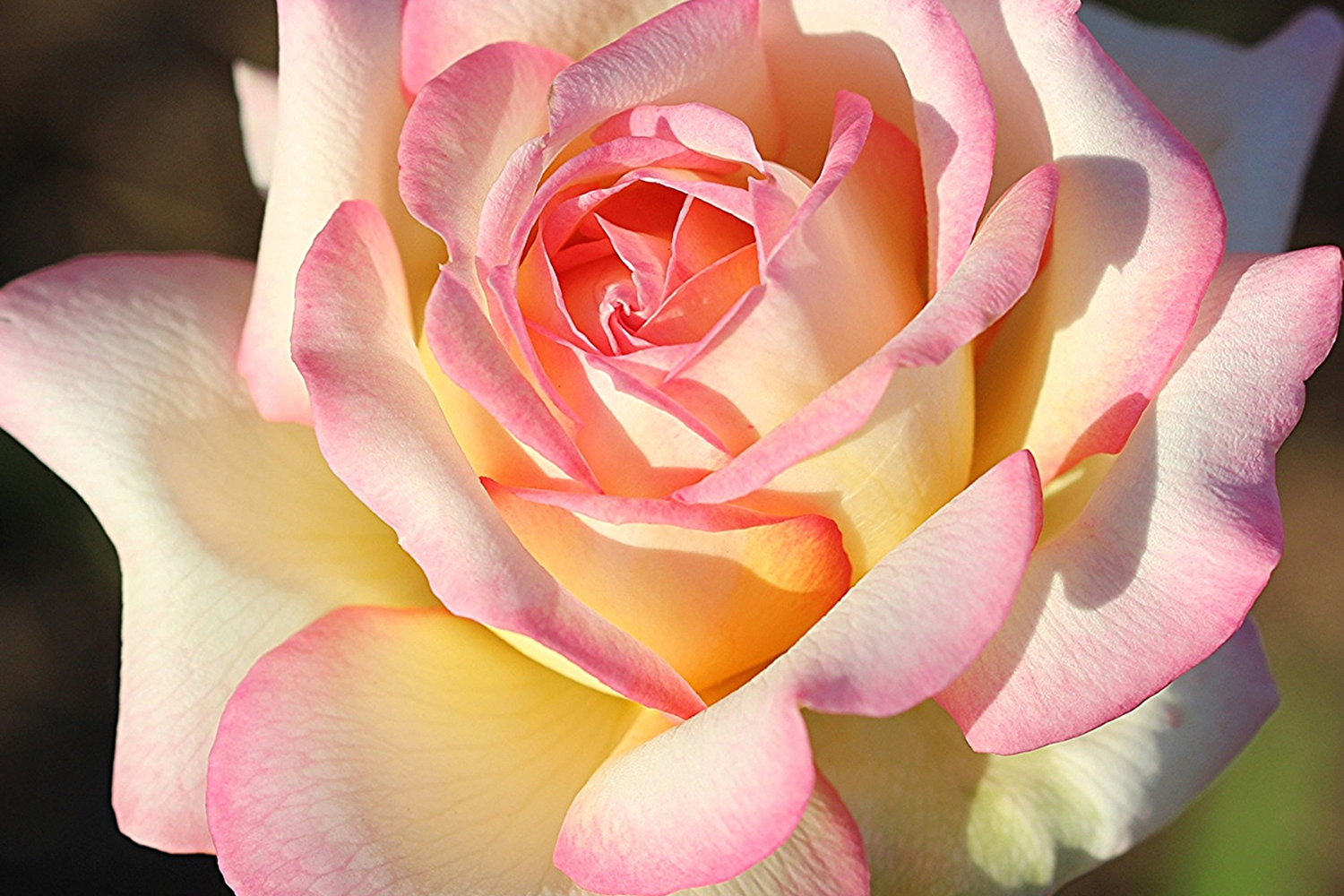
According to the Old Farmer’s Almanac, it’s generally safe to plant outside after Memorial Day in Vermont. My funky feet keep me from gardening, but they don’t stop me from planting seeds of peace.
My mother was a botanist and my dad a frustrated farmer. One of my favorite flowers as a child was the “Peace Rose,” a hybrid tea rose bred by French horticulturist Francis Meilland. It was introduced to the public in 1945 at the end of World War II to commemorate the end of the war and as a symbol of hope and reconciliation.
I recently discovered the Forever Promise Project on a webinar with Robert M. Edsel sponsored by the National Society of Colonial Dames of America. The Project connects American families with Dutch families who have adopted the graves of our loved ones at the Netherlands American Cemetery and Memorial in Margraten in the Netherlands. There is still a waitlist of adopters.
My mother’s cousin, James Wilson Wright, is buried at Margraten. He had just graduated from Princeton with honors in history when he enlisted in the Army. He was killed in Germany on December 18, 1944. He was 23. On Memorial Day this year, I found Jimmy in their database and signed up to be connected with his Dutch adopters. I should hear from them soon. It feels like I planted “Peace Roses” on Jimmy’s grave. I have his mother’s portrait as a child in my bedroom. Great-Aunt Helen Wilson Wright almost smiled.
I wonder if Aunt Helen watches what I read in bed at night? I just finished Rebecca Larson’s Daughters of Light, Quaker Women: Preaching and Prophesying in the Colonies and Abroad 1700-1775. One of the itinerant women Quaker ministers frequently mentioned in the book is Rachel Wilson (1720-1775) She became a minister at the age of eighteen. My Grandfather used to affectionately say, “Oh, those Wilson girls!” Rachel was the mother of ten children. Are we related? I would like to think we are.
My big takeaways from Daughters of Light are the women's influence on the literacy and education of girls as well as their impact on the legal status of women in early America. It is also interesting how they built and maintained a transatlantic community devoted to peace and democracy in the 18th Century.
The presence and acceptance of women as Quaker ministers had a huge impact in Quakerism and in colonial culture. They and the men who ministered beside them exhibited tremendous courage prior to the American Revolution. They challenged the status quo legally and religiously. We need to heed their wisdom today, as the inclusion and peace they practiced is being threatened and broken.
Together, we can plant seeds of peace and tend the global garden.