
Remember the Ladies
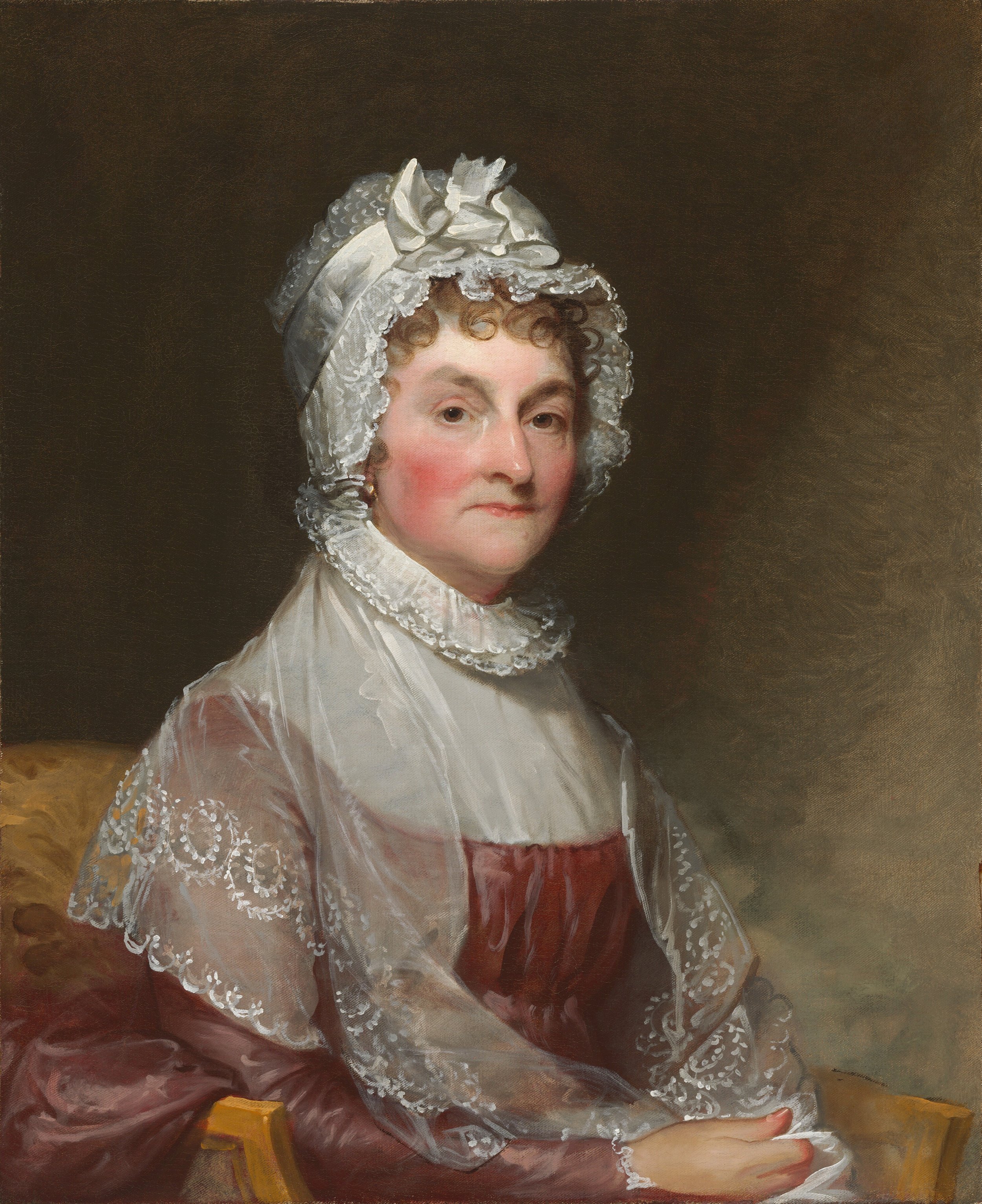
As we commemorate the 250th anniversary of the signing of the Declaration of Independence, I am thinking of Abigail Adams and her famous letter to her husband, John, on March 31, 1776. He was in Philadelphia as a leading delegate to the Continental Congress negotiating the framework for what would become the United States of America. This is what she wrote:
“I long to hear that you have declared an independency. And, by the way, in the new code of laws which I suppose it will be necessary for you to make, I desire you would remember the ladies and be more generous and favorable to them than your ancestors. Do not put such unlimited power into the hands of the husbands. Remember, all men would be tyrants if they could. If particular care and attention is not paid to the ladies, we are determined to foment a rebellion, and will not hold ourselves bound by any laws in which we have no voice or representation.” John thought she was joking, although he admitted that Abigail was his most trusted advisor.
Even though she was a Congregationalist, Abigail longed to join the Quaker women who traveled between the colonies and England. She felt limited by her gender and wanted to change the legal status of women. After reading Daughters of Light by Rebecca Larson, mentioned in my June blog, I thoroughly enjoyed reading Norah O’Donnell’s new book, We the Women: The Hidden Heroes Who Shaped America. I wonder if Norah noticed how many of the women she chronicled were Quakers?
One of the women featured in We the Women was Mary McCloud Bethune, who wrote in her last will and testament, “I LEAVE YOU LOVE. Love builds. It is positive and helpful. It is more beneficial than hate.” She spoke from experience. The Ku Klux Klan marched on her boarding school for Black girls in Daytona, Florida in 1922. She went on to be a life-long educator, civil rights activist, and philanthropist. She founded a college. She was the leader of Franklin Roosevelt’s Black Cabinet. A statue of her is in the U. S. Capital.
The next book on my long reading list was Charity & Sylvia, a graphic novel by Tillie Walden. The 2026 Vermont Humanities’ “Vermont Reads” book, it chronicles the lives of Charity Bryant and Sylvia Drake, a queer couple who lived in early nineteenth century Weybridge, Vermont. The author says the story is “nearly true.” She filled in a few gaps in historical research, some of which was done by a friend of mine. Together, Charity and Sylvia served their community. William Cullen Bryant was Charity’s nephew. They wrote poetry to each other. Many in their acquaintance referred to Sylvia and Charity as, “our Dear Aunts.”
As we contemplate 250 years of independence, let’s remember the ladies, the wise women who have always known that America is an experiment that still strives to create a more perfect union.
NOTE: The text of Abigail Adam’s letter came from the Library of Congress. Mary McLeod Bethune’s last will and testament is quoted on page 230 in We the Women by Norah O’Donnell. Abigail Adams’ portrait by Gilbert Stuart is in the National Gallery of Art.